Why Education Matters for Rural Children
Education is one of the most powerful tools for creating a better future. It gives children knowledge, confidence, skills, and the ability to make informed decisions about their lives. For children living in rural and economically disadvantaged communities, education can be the difference between continuing a cycle of poverty and building a future filled with opportunity.
Across rural India, many children and young people face challenges that can make education difficult. Limited access to quality learning resources, financial difficulties, lack of career guidance, transportation challenges, and family responsibilities can all affect a child’s educational journey.
At AnukalpVriksha Foundation, we believe that every child deserves the opportunity to learn, grow, dream, and build a better future.
Why Rural Education Matters
Education is not simply about passing examinations. It develops critical thinking, communication skills, confidence, creativity, and problem-solving abilities.
For a child from a rural community, quality education can open doors to opportunities that may otherwise seem impossible. A student who receives proper guidance can discover careers in technology, healthcare, education, government services, entrepreneurship, skilled trades, and many other fields.
Education also benefits entire families and communities. When young people become educated and financially independent, they can contribute to the development of their families and create positive changes around them.
Challenges Faced by Rural Students
Many rural students face challenges that students in urban areas may not experience to the same extent.
Some common challenges include:
- Limited access to quality educational resources
- Financial difficulties within families
- Lack of digital learning facilities
- Limited career awareness
- Long distances to educational institutions
- Lack of mentorship and guidance
- Pressure to leave education and start working
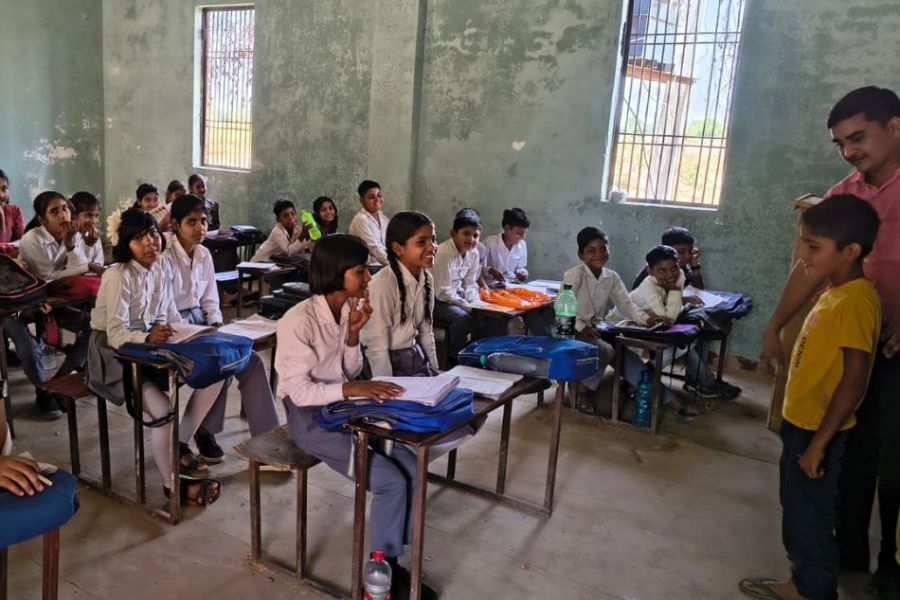
- Inadequate learning environments
These challenges can discourage students even when they have the talent and desire to succeed.
Education Can Break the Cycle of Poverty
Poverty and lack of education are often closely connected. When families have limited financial resources, education can sometimes become a secondary priority.
However, education can create long-term economic opportunities.
A child who receives quality education can develop skills that help them secure employment, pursue higher education, start a business, or develop a professional career.
This is why supporting education should not be viewed simply as helping one student. It is an investment in an entire family’s future.
The Role of NGOs in Rural Education
Non-governmental organizations can play an important role in reaching communities where additional educational support is needed.
An NGO can contribute by providing:
- Learning materials
- Educational programs
- Career guidance
- Skill development
- Mentorship
- Awareness programs
- Digital learning opportunities
- Community-based educational initiatives
Organizations working directly with communities can also understand local challenges and design programs around the needs of students and families.
Beyond Books and Classrooms
True education goes beyond textbooks.
Children also need opportunities to develop communication, leadership, creativity, teamwork, and practical skills.
Career guidance is particularly important for rural students. Many students have the potential to pursue successful careers but may not know what opportunities are available or how to reach them.
A mentor can help a student understand their interests, identify suitable career paths, prepare for examinations, and develop confidence.
How Communities Can Support Education
Improving rural education is not the responsibility of one organization alone. Parents, teachers, volunteers, NGOs, companies, and individuals can all contribute.
People can support education by donating learning materials, volunteering their time, mentoring students, supporting scholarships, organizing awareness programs, or helping provide digital resources.
Even a small contribution can become meaningful when many people work together.
Building a Better Future Through Education
Every child has potential. The circumstances in which a child is born should not determine how far that child can go.
By creating access to education, guidance, skills, and opportunities, we can help children develop the confidence they need to build their own futures.
At AnukalpVriksha Foundation, our vision is to support rural children and youth through education, skill development, guidance, healthcare awareness, and community development.
When we educate a child, we do more than provide knowledge. We provide hope, confidence, opportunity, and a pathway toward a better future.
Conclusion
Rural education is not just an educational issue—it is a community development issue.
When children receive the right support, they can become educated professionals, entrepreneurs, leaders, teachers, and responsible citizens who contribute to society.
A better future begins with an opportunity to learn.
Support education. Empower children. Build stronger communities.