Every child is born with potential.
A child may grow up to become a teacher, doctor, engineer, entrepreneur, scientist, artist, public servant, skilled professional, or community leader. But potential can only become reality when children receive the opportunities they need to learn and grow.
Quality education is one of those opportunities.
Unfortunately, economic circumstances, geography, social conditions, and lack of resources can create barriers to education for many children.
Education Is a Right and an Opportunity
Education gives children the foundation they need to understand the world around them.
Through education, children learn how to:
- Read and communicate
- Think critically
- Solve problems
- Make informed decisions
- Work with others
- Understand responsibilities
- Discover their interests
- Prepare for future careers
Education also helps children develop confidence and independence.
The Difference Between Access and Quality
Simply having a school nearby does not automatically guarantee quality education.
Children need trained teachers, learning materials, safe environments, encouragement, technology where appropriate, and opportunities to participate in meaningful learning experiences.
Quality education should help students understand concepts rather than simply memorize information.
The Importance of Educational Support
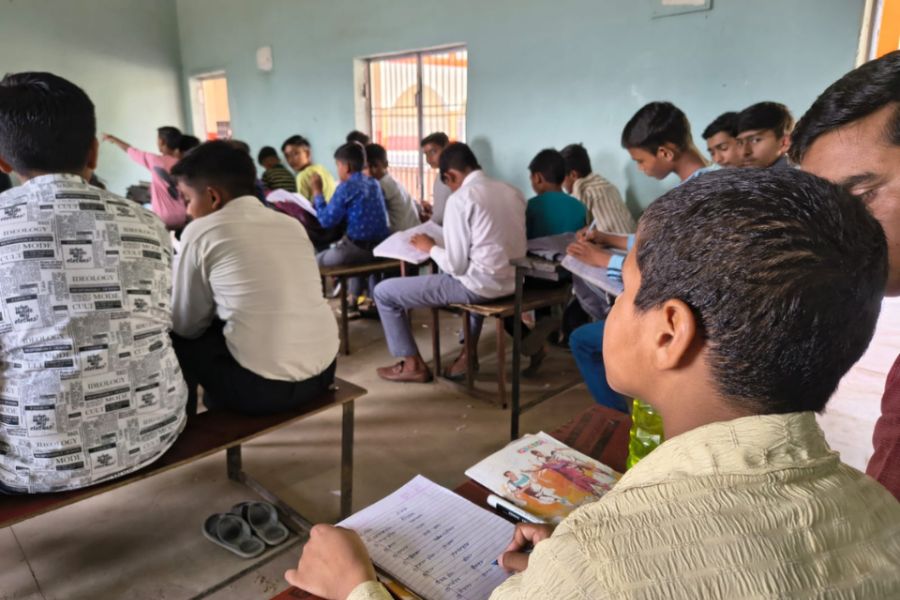
Some students require additional support outside regular classroom education.
Additional support can include:
- Study materials
- Tutoring
- Mentorship
- Career counseling
- Digital learning
- Educational workshops
- Examination preparation
- Life skills training
These resources can help students overcome learning difficulties and develop greater confidence.
Rural Children and Educational Inequality
Children living in rural communities can face additional challenges.
Access to technology, specialized educational resources, career counseling, and extracurricular opportunities may be limited in some areas.
This does not mean rural students have less potential.
It means that communities need to work together to ensure that potential is not wasted because of circumstances.
Education Benefits Entire Families
When one child receives a good education, the impact can extend beyond that individual.
An educated young person can contribute to household income, support younger family members, make informed decisions, and become a positive influence within the community.
Over time, education can contribute to social and economic development.
How NGOs Can Make a Difference
Organizations working with underprivileged and rural communities can help reduce educational barriers.
They can support students through educational programs, learning resources, mentorship, community awareness, health support, nutrition initiatives, and skill development.
AnukalpVriksha Foundation focuses on supporting rural children and youth through education, guidance, skill development, and community initiatives.
How Individuals Can Help
You do not need to be a large organization to support education.
Individuals can contribute by:
- Donating educational materials
- Sponsoring learning resources
- Volunteering
- Mentoring students
- Supporting educational programs
- Sharing awareness
- Helping children access digital learning
- Encouraging children to continue their education
Your contribution may be financial, professional, educational, or simply your time.
Creating a Culture That Values Education
Parents and communities also play a critical role.
Children should be encouraged to ask questions, explore their interests, read, learn new skills, and dream about their future.
A child’s background should never become a reason to limit their aspirations.
Conclusion
Education changes lives because it changes possibilities.
When a child receives access to quality education, they gain more than academic knowledge. They gain confidence, awareness, skills, and the ability to imagine a different future.
Every child deserves that opportunity.
Together, communities, NGOs, volunteers, teachers, parents, and donors can help make quality education accessible to more children.
A brighter future begins when every child gets the chance to learn.