Social change does not happen through organizations alone.
It happens when people decide to contribute their time, knowledge, skills, and energy to something larger than themselves.
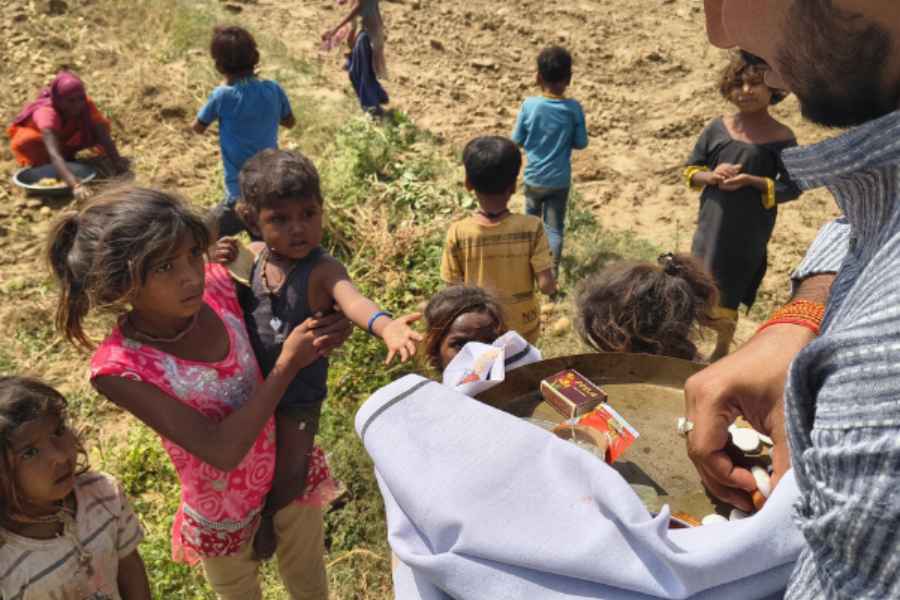
Volunteering provides an opportunity for ordinary people to become part of meaningful community development.
For rural communities, volunteers can play an especially valuable role by helping connect people with educational resources, knowledge, technology, career guidance, and awareness programs.
What Does It Mean to Be a Volunteer?
A volunteer is someone who chooses to contribute their time or skills without expecting a traditional financial reward.
Volunteering can take many forms.
You could teach students, organize events, provide career guidance, help with digital skills, support awareness campaigns, assist with community programs, or contribute professional expertise.
Why Rural Communities Benefit From Volunteers
Rural communities have enormous potential, but resources and opportunities may not always be equally accessible.
Volunteers can help bridge some of these gaps.
For example, a technology professional could teach basic computer skills. A college student could mentor school students. A professional could conduct a career workshop. A healthcare professional could participate in an awareness program.
Each contribution can create value.
You Do Not Need to Be an Expert
Many people believe they cannot volunteer because they do not have a special skill.
That is not necessarily true.
Volunteers can help with:
- Teaching
- Event organization
- Student mentoring
- Awareness campaigns
- Administrative work
- Digital support
- Fundraising
- Community outreach
- Content creation
- Photography
- Social media
- Career guidance
The most important requirement is often commitment and willingness to help.
Volunteering Can Change the Volunteer Too
Volunteering is not only beneficial for communities.
It can also help volunteers develop:
- Leadership skills
- Communication skills
- Teamwork
- Confidence
- Problem-solving abilities
- Professional experience
- Empathy
- Community awareness
Young people can particularly benefit from volunteering because it gives them an opportunity to work with people from different backgrounds.
Student Volunteers
College students can make valuable contributions.
They can help younger students with academic subjects, introduce them to technology, organize educational activities, and provide mentorship.
Student volunteers can also learn valuable lessons about leadership and social responsibility.
Professional Volunteers
Professionals can contribute specialized knowledge.
For example:
A software developer can teach digital skills.
A designer can conduct creative workshops.
A finance professional can teach financial literacy.
An entrepreneur can discuss business and entrepreneurship.
A teacher can support academic programs.
A healthcare professional can participate in health awareness initiatives.
Professional knowledge can become a powerful community resource.
Long-Term Volunteering vs One-Time Volunteering
One-time events can be valuable, but long-term volunteering can create deeper impact.
When volunteers regularly interact with students and communities, they can understand their needs better and build meaningful relationships.
Consistent mentorship can also help students stay motivated and focused on their goals.
How to Become a Volunteer
People interested in volunteering should look for organizations whose mission matches their interests and skills.
At AnukalpVriksha Foundation, volunteering opportunities are connected with areas such as education, skill development, community support, and social transformation.
Interested individuals can use the organization’s volunteer process to connect with the team and understand available opportunities.
Every Contribution Matters
You do not need to change thousands of lives at once.
Helping one student understand a difficult concept, guiding one young person toward a career, teaching one new digital skill, or simply encouraging someone can be meaningful.
Social change often begins with small actions repeated by many people.
Conclusion
Volunteering is one of the simplest ways to become directly involved in community development.
Your time, knowledge, skills, and encouragement can become someone else’s opportunity.
If you have the ability to help, consider sharing it.
Volunteer your time. Share your skills. Empower a community.